
Japan Says Threshold “Extremely High” to Send Warships to Middle East
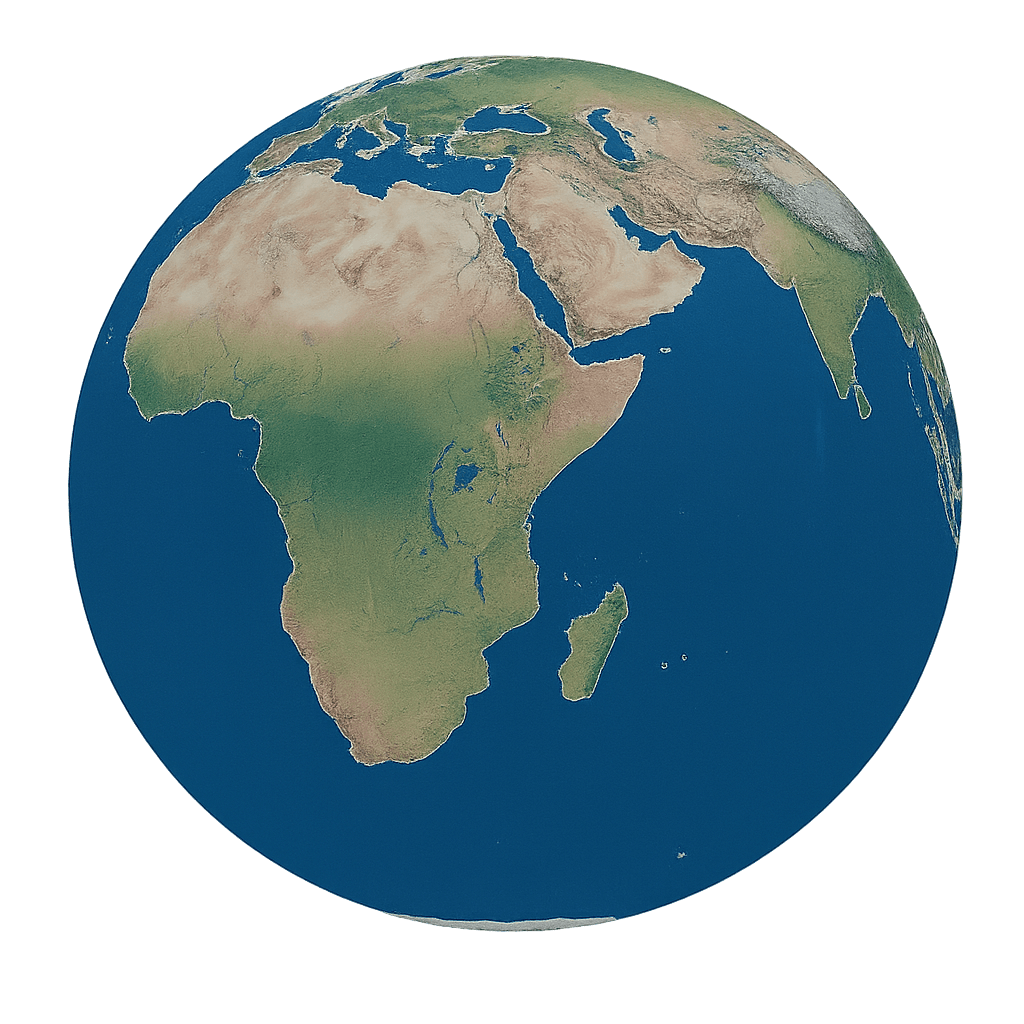
The remarks came as tensions in the Gulf remain elevated two weeks after the United States and Israel carried out strikes against Iran. The conflict has disrupted regional stability, pushed oil prices sharply higher, and intensified concerns about the security of energy routes after Iran restricted passage through the strategically important Strait of Hormuz and targeted energy infrastructure in Gulf states.
Earlier, Trump had said the US Navy would “very soon” begin escorting oil tankers through the strait. He also urged other countries, including Japan, to contribute forces to reinforce maritime security in the area.
Japan, which ranks among the world’s largest economies, relies heavily on imported energy.
Roughly 95% of its oil supply originates from the Middle East, and around 70% of those shipments normally pass through the Strait of Hormuz—currently a critical chokepoint in the ongoing crisis.
“I regard the threshold as extremely high” for sending Japanese navy ships to the region under existing Japanese laws, Takayuki Kobayashi, the policy chief of Prime Minister Sanae Takaichi's ruling Liberal Democratic Party [LDP], said Sunday on the public broadcaster NHK's political debate programme.
He further added: "Legally speaking, we do not rule out the possibility, but given the current situation in which this conflict is ongoing, I believe this is something that must be considered with great caution,"
The prospect of deploying Japan’s Self-Defense Forces overseas remains a sensitive issue domestically. Japan’s post-war constitution, adopted in 1947, renounces war and limits the country’s military role, and many citizens remain cautious about expanding overseas military involvement.
Earlier in the week, Prime Minister Sanae Takaichi told parliament that “nothing has been decided” regarding the potential dispatch of Japanese naval vessels to escort tankers in the Middle East.
Takaichi is expected to travel to Washington in the coming days for talks with Trump, where discussions are likely to cover multiple topics, including the war involving Iran and broader security challenges in the Asia-Pacific region.
Legal Disclaimer:
EIN Presswire provides this news content "as is" without warranty of any kind. We do not accept any responsibility or liability for the accuracy, content, images, videos, licenses, completeness, legality, or reliability of the information contained in this article. If you have any complaints or copyright issues related to this article, kindly contact the author above.
